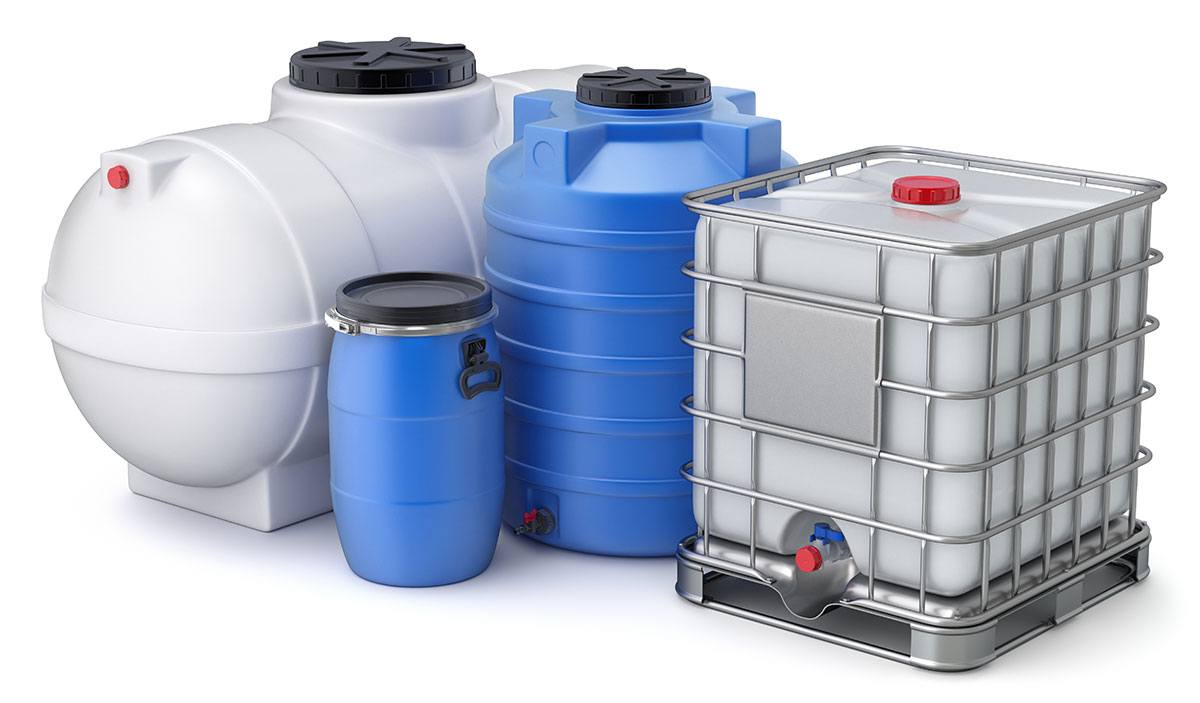

Materials Compatibility in Rotational Molding
Rotational molding is a widely used manufacturing process for producing hollow plastic products with consistent wall thickness and seamless construction. A critical factor that influences the success of any Rotational Molding project is the compatibility of materials used during production. Understanding materials compatibility ensures optimal product performance, process efficiency, and longevity, making it a key consideration for designers and manufacturers alike.
Importance of Material Selection
Materials compatibility in rotational molding refers to the ability of a polymer to respond effectively to the process conditions and deliver the desired mechanical, chemical, and thermal properties in the finished product. Selecting the right material affects not only the physical characteristics of the molded part but also the ease of processing, mold life, and production costs.
Commonly Used Materials
Polyethylene (PE) remains the dominant polymer in rotational molding, favored for its excellent flow properties, impact resistance, and durability. Various grades such as low-density polyethylene (LDPE), linear low-density polyethylene (LLDPE), and high-density polyethylene (HDPE) cater to different applications and performance needs. LDPE offers flexibility and toughness, while HDPE provides enhanced stiffness and chemical resistance.
Beyond polyethylene, materials like polyvinyl chloride (PVC), nylon, and thermoplastic elastomers (TPE) are also used selectively, depending on the product requirements. Each polymer has unique melting points, flow characteristics, and thermal stability, which must align with the rotomolding process parameters to prevent defects and ensure quality.
Key Compatibility Factors
Thermal Stability: The material must withstand the heating cycles of rotomolding, typically between 260°C to 300°C, without degrading. Polymers with poor thermal resistance can break down, resulting in discoloration, brittleness, or reduced mechanical strength.
Flow Properties: Since rotomolding relies on the even distribution of molten polymer within the mold, materials with appropriate melt flow index and viscosity are essential. Good flow ensures uniform wall thickness and surface finish.
Chemical Resistance: Products exposed to harsh environments require materials resistant to chemicals, moisture, UV radiation, or other degrading agents. Polyethylene grades with additives or specialty polymers are often chosen for enhanced resistance.
Adhesion and Layering: For multi-layer rotomolded products, compatibility between different polymers is crucial to ensure proper adhesion and bonding between layers, preventing delamination or weakness.
Challenges and Solutions
Incompatible materials can lead to issues such as warping, voids, incomplete fusion, or poor surface quality. To address these, manufacturers often conduct thorough material testing and utilize compatibilizers or coupling agents that improve adhesion between dissimilar polymers. Advanced simulation tools also aid in predicting material behavior during processing.
Conclusion
Materials compatibility is a foundational element in the success of rotational molding projects. Careful consideration of thermal, chemical, and flow properties, combined with a deep understanding of the end-use environment, enables manufacturers to select materials that optimize both product performance and process efficiency. By prioritizing material compatibility, the rotomolding industry continues to deliver innovative, durable, and cost-effective solutions across diverse sectors.